How to Improve Your Valorant Aim and Movement by Studying Satisfying Clips
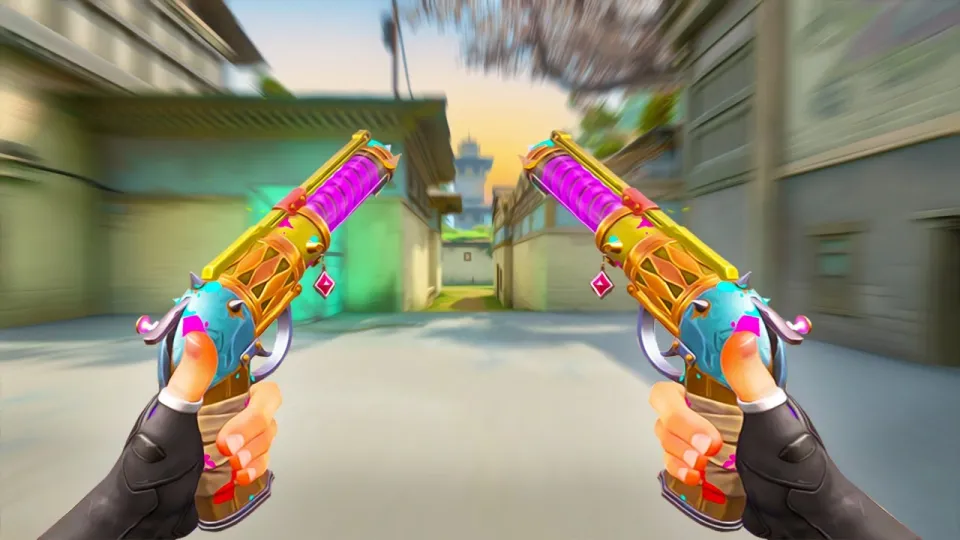
Video: 20 Minutes of Satisfying Valorant Clips
You can order the same kind of articles for your own video to boost it on YouTube and Google. Just message the Telegram bot @sat_sit_bot. Articles with your video embedded are written and posted by the bot itself — on popular topical sites (no ads). Your first 50 articles are free.
· based on the channel Rawzu
Key takeaways
- Rawzu uses 400 DPI with 0.625 in-game sensitivity on a 1440x1080 stretched resolution.
- His crosshair code is 1-6-2-2, a compact static setup for precise headshots.
- Phoenix's Blaze wall blocks vision and damages enemies, enabling aggressive pushes.
- Hot Hands and Run it Back make Phoenix a durable duelist for entry fragging.
- The video from Rawzu runs 20 minutes of clean Phoenix gameplay on Lotus and Icebox.
To improve your Valorant aim and movement, study satisfying clips from high-level duelists like Rawzu, then break down their crosshair placement, ability usage, and decision-making into repeatable drills. The video “20 Minutes of Satisfying Valorant Clips” by Rawzu shows Phoenix gameplay on maps like Lotus and Icebox, and it works as a free masterclass in aggressive mechanics. You can also watch Rawzu live daily at kick.com/rawzu to see these habits in real time.
Why satisfying Valorant clips are a legitimate training tool
Satisfying clips are not just entertainment; they are compressed demonstrations of correct mechanics. When you watch a Phoenix player one-tap an enemy with the Vandal, your brain records the crosshair height, the strafe timing, and the pre-aim angle. Rawzu's clips are especially useful because they are long enough to show full rounds, not just isolated frags. The comment section reflects this: viewers note that watching these videos makes them feel like their own aim improves. That feeling has a real basis — repeated exposure to clean gunplay builds a mental template you can copy in ranked.
To turn passive watching into active practice, pause the clip before each engagement and predict where the player will aim. Then check if you were right. This simple habit converts a 20-minute video into dozens of micro-drills.
Rawzu settings and crosshair you can copy
Rawzu's setup is public and easy to replicate: 400 DPI with 0.625 in-game sensitivity, a 1440x1080 stretched resolution, and the crosshair code 1-6-2-2. The stretched resolution widens enemy models, which can make targets easier to see at range. The low sensitivity gives him steady tracking and precise micro-adjustments, while the compact crosshair keeps the center of the screen clean.
His peripherals are also listed: a Lamzu Maya X mouse, a Zowie H-SR-SE 2 Blue mousepad, and a Zowie XL2566K 360Hz monitor. You do not need identical gear to learn from him, but matching the sensitivity and crosshair is a cheap first step. If you are switching from a higher sens, give yourself at least a week of deathmatch before judging the change.
How Phoenix abilities support aggressive Valorant gameplay
Phoenix is an offensive duelist who specializes in hunting enemies while crippling their ability to fire back. His Blaze wall blocks vision and deals damage, so you can cross open areas that would otherwise be suicide. Curveball blinds enemies even when they are hiding behind corners, which makes it a strong tool for retakes and site executes. Hot Hands damages and heals, and Run it Back gives Phoenix a second life if he dies during the ultimate.
In the clips, this kit is used to isolate duels. A typical sequence is to flash around a corner, take the fight, and fall back behind the wall if the trade goes wrong. Because Phoenix can heal himself with Hot Hands and Molly, he can take more chip damage than most duelists and still stay in the round.
Movement and gunplay habits that make clips look effortless
Rawzu's movement is a big part of why the clips feel satisfying. He counter-strafes before shooting, which stops his character instantly and keeps his first bullet accurate. He also uses short peeks instead of wide swings, forcing enemies to react to a smaller target. When he pushes, he often pairs the Vandal with a flash or wall so the enemy has to choose between aiming and dodging utility.
A practical drill is to load into a custom game on Lotus or Icebox and practice strafing between two walls. Fire only when your crosshair is at head level and your character has stopped. Ten minutes of this daily will make your ranked movement look much closer to the clips.
Common viewer questions about Valorant clips and settings
Viewers often ask about sensitivity, crosshair, and whether these clips are realistic for lower-ranked players. The honest answer is that the mechanics are transferable, but the teamwork is not always. In the video, Phoenix gets consistent support from teammates who call out and trade kills. In solo queue, you may need to be more patient and let your team engage first.
Another frequent question is about the Vandal versus the Phantom. Rawzu leans on the Vandal because it rewards precise headshots and one-taps through smoke or wallbang spots. If your aim is still developing, the Phantom's higher fire rate and larger magazine can be more forgiving. The clips show both weapons working, but the Vandal moments are the ones viewers remember.
A third theme in the comments is how fast the gameplay looks. That speed comes from pre-aiming common angles and knowing the map layout, not from raw reaction time. Learning one map at a time, such as Lotus, will make your own gameplay feel faster without changing your sensitivity.
Useful links from Rawzu
- Watch Rawzu live daily: https://kick.com/rawzu
- Original music on Spotify: https://open.spotify.com/artist/6DbATPR1PTNMx7U918bg1Q
- Join the Discord community: https://discord.gg/axnFwyvxp3
Final thoughts on learning from Rawzu's Valorant clips
The “20 Minutes of Satisfying Valorant Clips” video by Rawzu is more than a highlight reel; it is a compact lesson in Phoenix mechanics, crosshair placement, and aggressive movement. Copy the 400 DPI / 0.625 sensitivity and the 1-6-2-2 crosshair, then practice counter-strafing and ability combos in custom games. If you want to see these habits applied live, tune into kick.com/rawzu and study how he reads rounds in real time. Rawzu's channel is the source of this breakdown, and his daily streams are the best place to ask follow-up questions.
Questions & answers
What sensitivity and DPI does Rawzu use in Valorant?
Rawzu uses 400 DPI with an in-game sensitivity of 0.625. He plays on a 1440x1080 stretched resolution. His crosshair code is 1-6-2-2, and he uses a Lamzu Maya X mouse with a Zowie H-SR-SE 2 Blue mousepad.
Is Phoenix a good agent for aggressive players in Valorant?
Yes. Phoenix is an offensive duelist designed for players who like to take fights. His Blaze wall blocks vision and deals damage, Curveball blinds enemies around corners, and Hot Hands plus Run it Back make him durable enough to entry frag and survive.
Do satisfying Valorant clips actually help you improve your aim?
They can, if you watch actively. Pause before each duel and predict the crosshair placement, then compare it to what the player does. This builds a mental template for pre-aim and strafe timing that you can practice in deathmatch or custom games.
Why does Rawzu use the Vandal so often in his clips?
The Vandal rewards precise headshots and can one-tap enemies through smoke or wallbangs. Rawzu's crosshair placement is built around that first-bullet accuracy. If your aim is still developing, the Phantom can be more forgiving, but the Vandal highlights clean mechanics.
Source: 20 Minutes of Satisfying Valorant Clips · Markdown version